Do I Need to Buy My Own EV Charger Before Scheduling an Installation?

Table of Contents

Share This Article
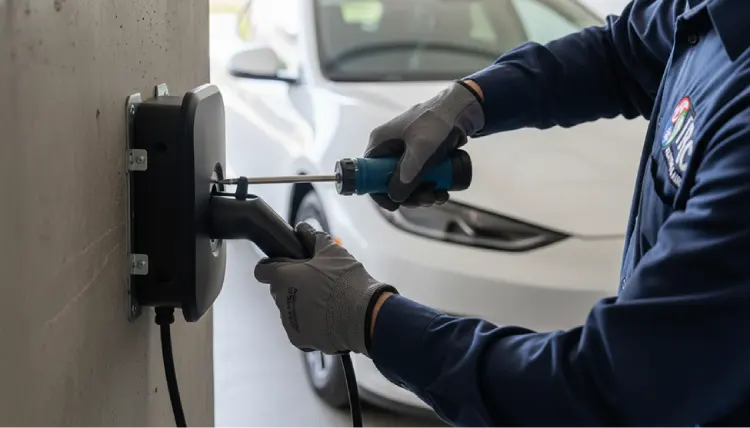
Professional electrician using a screwdriver to install a home electric vehicle charging station.

Should I Repair or Replace My HVAC System When It’s Old and I’m Getting Mixed Opinions?

If your HVAC system is aging and contractors are giving you conflicting advice, the answer comes down to a few key factors: the system’s age, the cost of repairs relative to replacement, and how efficiently it’s running. Most systems over 15 years old with recurring issues are better candidates for replacement than continued repair.

A homeowner in Sacramento recently called us after getting completely opposite advice from different contractors. One said replace it. One said keep it. They just wanted a straight answer. That situation is more common than you might think, and it usually means the system is sitting right on the fence between “worth fixing” and “time to go.”

At TRC Heating & Air, we walk homeowners through this decision every week. Here is how we think about it.

How Do You Know When an HVAC System Is Too Old to Keep Repairing?

A system over 15 years old that needs a significant repair is almost always a better candidate for replacement. The older the system, the harder it is to find parts, and the more likely you are to face another breakdown shortly after fixing the first one.

A rough rule of thumb: if the repair cost is more than half the cost of a new system, replacement usually wins on value. You are essentially paying to extend the life of something that is already near the end of its run.

Here are signs the system is telling you it is done:

  • It has needed multiple repairs in the last two years

  • Your energy bills have crept up without a clear reason

  • It struggles to keep up on hot Sacramento summer days

  • It is making new noises or cycling on and off more than usual

  • The refrigerant type it uses is outdated or being phased out

Why Do Different Contractors Give Opposite Advice?

Conflicting opinions usually happen because contractors are weighing different factors, or because the system genuinely sits in a gray zone where either option could be justified. Not every contractor runs the same diagnostic process, and some may be more conservative while others lean toward replacement by default.

That is why we always recommend getting a proper assessment before committing either way. A good technician should be able to show you what they found and explain their reasoning clearly. If someone cannot explain why they are recommending what they are recommending, that is a red flag.

Our team at TRC Heating & Air takes the time to look at the full picture before making a call. We are not going to tell you to replace something that has life left in it, and we are not going to patch something that is going to cost you more in the long run.

What Happens During an HVAC Replacement Estimate?

A replacement estimate involves reviewing your current system, the layout of your home, and what equipment makes sense for your situation. You do not always need a full diagnostic visit if you already have documentation of your current setup, like photos of the equipment and the installation.

During the estimate, we look at things like:

  • The size and age of your current system

  • Whether the existing ductwork is in good shape

  • What efficiency rating makes sense for your home and budget

  • Whether a repair could bridge the gap or is just delaying the inevitable

If you want to explore your heating and cooling options, a no-pressure estimate is the best place to start.

Frequently Asked Questions

Is it worth repairing an HVAC system that is more than 10 years old?

It depends on what the repair is. Minor fixes on a 10 to 12-year-old system that is otherwise running well can absolutely be worth it. But major component failures on a system that age are usually a sign that replacement is the smarter long-term investment. Ask your technician to walk you through the cost comparison.

Do I need a diagnostic appointment to get a replacement estimate?

Not always. If you already have photos or documentation of your current system, we can often assess your situation and provide a replacement estimate without a separate diagnostic visit. A diagnostic is more useful when the goal is to figure out what is wrong, not whether to replace.

How do I choose between contractors giving me different recommendations?

Ask each one to explain their reasoning in detail. A trustworthy contractor will show you what they found and give you a clear rationale. If the advice feels rushed or does not come with an explanation, keep asking questions or get another opinion.

If you are in Sacramento, CA and dealing with an aging HVAC system and more questions than answers, we are happy to take a look. Contact us at TRC Heating & Air to schedule a free replacement estimate and get a straight answer from someone who will actually explain their thinking.
expert TIPS

Related Articles

Why Is My AC Freezing Up After Refrigerant Was Added?

Get Started

Do I Need to Buy My Own EV Charger Before Scheduling an Installation?

Do I Need to Buy My Own EV Charger Before Scheduling an Installation?

Yes, you need to purchase your own EV charger before we can complete the installation. However, we recommend calling us first so we can walk you through what to buy, which rebates apply, and how to avoid picking the wrong unit. Getting that guidance upfront saves you time and money.

A Sacramento homeowner recently called us with this exact question. They had just bought an electric vehicle and were ready to set up home charging, but were not sure whether to buy a charger first or let us handle everything. It is a genuinely common point of confusion, and the answer has a few important details worth knowing before you head to the store.

At TRC Heating & Air, we handle EV charger installations regularly, and we want to make sure you go into the process informed. Here is how it actually works.

Why Do You Need to Buy the Charger Yourself?

We install the circuit and connect the charger, but the charger itself is your equipment to own and select. This matters because there are dozens of models on the market, and the right one depends on your vehicle, your electrical panel, and whether you want to qualify for a utility rebate.

If you are a SMUD customer here in Sacramento, CA, you may be eligible for a rebate on a Level 2 charger. That rebate comes with specific requirements, including the charger model and the circuit specs. Buying the wrong charger could disqualify you from savings you are entitled to.

We always recommend calling the SMUD EV Advisors before you purchase anything. They can point you toward approved models and walk you through what the rebate covers. Once you know what you are buying, let us know the exact model and we can build your estimate from there.

What Is the Difference Between a Plug-In and a Hardwired Charger?

There are two main installation types: plug-in chargers and hardwired chargers, and we almost always recommend hardwired. Here is why it matters for your wallet.

  • Plug-in chargers require a special outlet, which needs a GFCI breaker. That breaker costs noticeably more than a standard 40-amp breaker.
  • Hardwired chargers connect directly to the circuit, which keeps the breaker cost lower and gives you a cleaner, more permanent installation.

Both options work fine day to day. But if you are not attached to a specific plug-in model, going hardwired is typically the smarter call. Our team, including our licensed electricians you can read more about on our about page, can help you think through which setup fits your home.

How Does the Location of Your Electrical Panel Affect the Cost?

The distance between your electrical panel and where you want to mount the charger is one of the biggest factors in what the job will cost. This is not something to guess at. We send a technician out to assess it in person.

The easiest scenario is when the panel sits on the same wall as the charger, or very close to the garage. The more complex scenario is when the panel is on the opposite end of the house, requiring wire to run through the attic or under the house. That adds labor and materials.

When our technician visits your home, they will document the run, look at your panel, and figure out exactly where you want the charger located. That assessment is what drives the estimate. No guesswork, no surprises.

Does TRC Handle the SMUD Rebate for the Circuit?

Yes, we handle the circuit rebate on our end and apply it directly to your total. SMUD currently offers a rebate for the qualifying circuit installation, and we subtract that from what you owe rather than making you chase reimbursement yourself.

There is also a separate rebate available for the charger itself, which is why we point customers to the SMUD EV Advisors before they purchase. Stacking both rebates is absolutely possible, but it requires buying the right charger upfront. Do not skip that step.

Can I use a Level 1 or Level 3 charger instead?

Level 1 chargers plug into a standard outlet and are very slow, typically adding only a few miles of range per hour. Level 3 chargers are commercial-grade fast chargers not designed for home use. The SMUD rebate only applies to Level 2 chargers, which is the right choice for almost every homeowner anyway.

What happens after the technician visits?

After the site assessment, we send you a written estimate. Once you accept it and have purchased your charger, we schedule the installation. We work through the process in that order so there are no surprises on either side.

Is a permit required for EV charger installation in Sacramento?

Yes, most EV charger circuit installations require a permit. We handle that as part of the job. It also ensures the work meets code, which matters both for safety and for your SMUD rebate eligibility.

If you are thinking about adding a home EV charger and want to make sure you do it right the first time, reach out to us to schedule an assessment. We serve Sacramento, CA and the surrounding area, and we are happy to walk you through every step before you spend a dollar on equipment. You can also learn more about our electrical and heating and cooling services to see everything we offer Sacramento homeowners.