My Electric Water Heater Has No Pilot Light — What’s Actually Going On?

Table of Contents

Share This Article
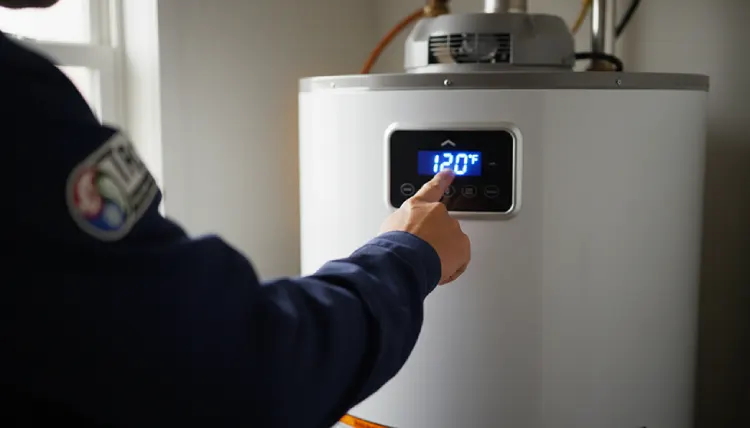
A person's hand pressing a button on a digital water heater display showing 120 degrees.

Should I Repair or Replace My HVAC System When It’s Old and I’m Getting Mixed Opinions?

If your HVAC system is aging and contractors are giving you conflicting advice, the answer comes down to a few key factors: the system’s age, the cost of repairs relative to replacement, and how efficiently it’s running. Most systems over 15 years old with recurring issues are better candidates for replacement than continued repair.

A homeowner in Sacramento recently called us after getting completely opposite advice from different contractors. One said replace it. One said keep it. They just wanted a straight answer. That situation is more common than you might think, and it usually means the system is sitting right on the fence between “worth fixing” and “time to go.”

At TRC Heating & Air, we walk homeowners through this decision every week. Here is how we think about it.

How Do You Know When an HVAC System Is Too Old to Keep Repairing?

A system over 15 years old that needs a significant repair is almost always a better candidate for replacement. The older the system, the harder it is to find parts, and the more likely you are to face another breakdown shortly after fixing the first one.

A rough rule of thumb: if the repair cost is more than half the cost of a new system, replacement usually wins on value. You are essentially paying to extend the life of something that is already near the end of its run.

Here are signs the system is telling you it is done:

  • It has needed multiple repairs in the last two years

  • Your energy bills have crept up without a clear reason

  • It struggles to keep up on hot Sacramento summer days

  • It is making new noises or cycling on and off more than usual

  • The refrigerant type it uses is outdated or being phased out

Why Do Different Contractors Give Opposite Advice?

Conflicting opinions usually happen because contractors are weighing different factors, or because the system genuinely sits in a gray zone where either option could be justified. Not every contractor runs the same diagnostic process, and some may be more conservative while others lean toward replacement by default.

That is why we always recommend getting a proper assessment before committing either way. A good technician should be able to show you what they found and explain their reasoning clearly. If someone cannot explain why they are recommending what they are recommending, that is a red flag.

Our team at TRC Heating & Air takes the time to look at the full picture before making a call. We are not going to tell you to replace something that has life left in it, and we are not going to patch something that is going to cost you more in the long run.

What Happens During an HVAC Replacement Estimate?

A replacement estimate involves reviewing your current system, the layout of your home, and what equipment makes sense for your situation. You do not always need a full diagnostic visit if you already have documentation of your current setup, like photos of the equipment and the installation.

During the estimate, we look at things like:

  • The size and age of your current system

  • Whether the existing ductwork is in good shape

  • What efficiency rating makes sense for your home and budget

  • Whether a repair could bridge the gap or is just delaying the inevitable

If you want to explore your heating and cooling options, a no-pressure estimate is the best place to start.

Frequently Asked Questions

Is it worth repairing an HVAC system that is more than 10 years old?

It depends on what the repair is. Minor fixes on a 10 to 12-year-old system that is otherwise running well can absolutely be worth it. But major component failures on a system that age are usually a sign that replacement is the smarter long-term investment. Ask your technician to walk you through the cost comparison.

Do I need a diagnostic appointment to get a replacement estimate?

Not always. If you already have photos or documentation of your current system, we can often assess your situation and provide a replacement estimate without a separate diagnostic visit. A diagnostic is more useful when the goal is to figure out what is wrong, not whether to replace.

How do I choose between contractors giving me different recommendations?

Ask each one to explain their reasoning in detail. A trustworthy contractor will show you what they found and give you a clear rationale. If the advice feels rushed or does not come with an explanation, keep asking questions or get another opinion.

If you are in Sacramento, CA and dealing with an aging HVAC system and more questions than answers, we are happy to take a look. Contact us at TRC Heating & Air to schedule a free replacement estimate and get a straight answer from someone who will actually explain their thinking.
expert TIPS

Related Articles

Why Is My AC Freezing Up After Refrigerant Was Added?

Get Started

Why Does My New Heat Pump Make a Humming or Vibrating Noise?

My Electric Water Heater Has No Pilot Light — What’s Actually Going On?

Electric water heaters do not have a pilot light. If someone told you your pilot is out, your water heater is likely gas-powered. A gas pilot that won’t stay lit usually points to a failed thermocouple, a gas supply issue, or a unit that has simply reached the end of its lifespan. A technician can diagnose the exact cause quickly.

A Sacramento homeowner recently called us with no hot water and mentioned that after checking the breaker and removing the panel, they believed the pilot light was out on their water heater. That single detail told us a lot. It meant the unit was gas-powered, not electric, and that the pilot flame was failing to ignite or stay lit.

At TRC Heating & Air, we handle these calls regularly. A dead pilot on a gas water heater is one of the most common reasons homeowners suddenly lose hot water, and the fix ranges from simple to “it’s time for a new unit,” depending on what’s actually happening.

What Does It Mean When a Gas Water Heater’s Pilot Won’t Stay Lit?

A pilot that won’t ignite or stay lit is almost always caused by one of three things: a faulty thermocouple, a disrupted gas supply, or a buildup of debris around the pilot assembly. The thermocouple is a small safety sensor that tells the gas valve to stay open when the pilot is burning. When it fails, the valve shuts off gas to the pilot and you lose the flame entirely.

  • Faulty thermocouple: The most common culprit. It’s a relatively straightforward part to replace.
  • Gas supply issue: If other gas appliances in your home are working fine, this is less likely but still worth checking.
  • Dirty or clogged pilot assembly: Dust and debris can block the small orifice that feeds the pilot flame.
  • Draft or venting problem: Airflow issues can snuff out a pilot repeatedly, even after it lights.

Does the Age of the Water Heater Matter?

Yes, age matters a lot. Most gas water heaters last between 8 and 12 years with normal use. A unit that is 13 years old, like the one we were called about, is past that typical window. At that age, even if the pilot issue is fixable, other components are likely worn and could fail soon after.

Repairing an older unit can make sense in some situations. But if the tank itself is showing signs of corrosion, if the unit has needed multiple repairs, or if efficiency has dropped noticeably, replacement is usually the smarter long-term move. Our team can walk you through the options honestly after a proper diagnosis. Learn more about our water heater services to see what we offer.

Should You Try to Relight the Pilot Yourself?

On newer units, yes, relighting the pilot yourself is often safe and straightforward. Most modern gas water heaters have a clear reset sequence printed on the label, along with a built-in igniter button. However, older models, especially those without a piezo igniter or a reset button, require a match or lighter and a careful hand.

If you have already tried relighting and the flame won’t stay on, stop. Repeated failed attempts can allow unburned gas to accumulate. At that point, it’s time to call a professional rather than keep troubleshooting.

Frequently Asked Questions

Can I still use my home’s hot water if the pilot is out?

No. Once the pilot goes out, the burner cannot fire, and the tank will stop heating water entirely. Any hot water left in the tank will cool down within a few hours. You’ll need the pilot relit or the unit repaired before hot water is restored.

How do I know if my water heater needs repair vs. full replacement?

Age, repair history, and the condition of the tank are the three biggest factors. A technician can inspect the unit and give you a clear recommendation. If the tank is corroded or the unit is past its expected lifespan, replacement is usually more cost-effective than ongoing repairs.

Does TRC Heating & Air handle water heater calls in Sacramento?

We do. Water heaters fall under our home comfort services, and we diagnose both repair and replacement needs. You can learn more about our team and our background to get a sense of who will be showing up at your door.

If you are in Sacramento and woke up to cold water this morning, do not wait it out. Contact us and let us get a technician out to diagnose the problem and get your hot water back as quickly as possible.