My Electric Water Heater Has No Pilot Light — What’s Actually Going On?

Table of Contents

Share This Article

My Electric Water Heater Has No Pilot Light — What’s Actually Going On?

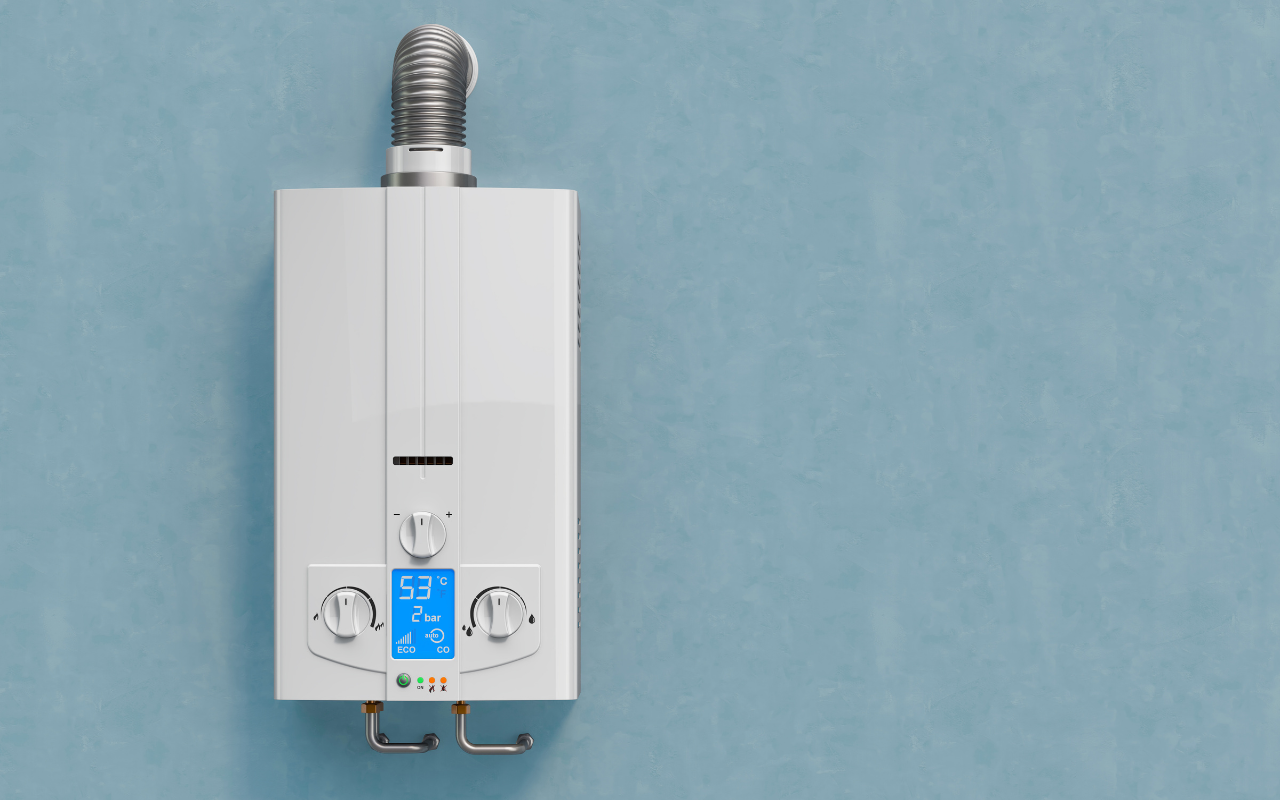
Electric water heaters do not have a pilot light. If someone told you your pilot is out, your water heater is likely gas-powered. A gas pilot that won’t stay lit usually points to a failed thermocouple, a gas supply issue, or a unit that has simply reached the end of its lifespan. A technician can diagnose the exact cause quickly.

A Sacramento homeowner recently called us with no hot water and mentioned that after checking the breaker and removing the panel, they believed the pilot light was out on their water heater. That single detail told us a lot. It meant the unit was gas-powered, not electric, and that the pilot flame was failing to ignite or stay lit.

At TRC Heating & Air, we handle these calls regularly. A dead pilot on a gas water heater is one of the most common reasons homeowners suddenly lose hot water, and the fix ranges from simple to “it’s time for a new unit,” depending on what’s actually happening.

What Does It Mean When a Gas Water Heater’s Pilot Won’t Stay Lit?

A pilot that won’t ignite or stay lit is almost always caused by one of three things: a faulty thermocouple, a disrupted gas supply, or a buildup of debris around the pilot assembly. The thermocouple is a small safety sensor that tells the gas valve to stay open when the pilot is burning. When it fails, the valve shuts off gas to the pilot and you lose the flame entirely.

  • Faulty thermocouple: The most common culprit. It’s a relatively straightforward part to replace.

  • Gas supply issue: If other gas appliances in your home are working fine, this is less likely but still worth checking.

  • Dirty or clogged pilot assembly: Dust and debris can block the small orifice that feeds the pilot flame.

  • Draft or venting problem: Airflow issues can snuff out a pilot repeatedly, even after it lights.

Does the Age of the Water Heater Matter?

Yes, age matters a lot. Most gas water heaters last between 8 and 12 years with normal use. A unit that is 13 years old, like the one we were called about, is past that typical window. At that age, even if the pilot issue is fixable, other components are likely worn and could fail soon after.

Repairing an older unit can make sense in some situations. But if the tank itself is showing signs of corrosion, if the unit has needed multiple repairs, or if efficiency has dropped noticeably, replacement is usually the smarter long-term move. Our team can walk you through the options honestly after a proper diagnosis. Learn more about our water heater services to see what we offer.

Should You Try to Relight the Pilot Yourself?

On newer units, yes, relighting the pilot yourself is often safe and straightforward. Most modern gas water heaters have a clear reset sequence printed on the label, along with a built-in igniter button. However, older models, especially those without a piezo igniter or a reset button, require a match or lighter and a careful hand.

If you have already tried relighting and the flame won’t stay on, stop. Repeated failed attempts can allow unburned gas to accumulate. At that point, it’s time to call a professional rather than keep troubleshooting.

Frequently Asked Questions

Can I still use my home’s hot water if the pilot is out?

No. Once the pilot goes out, the burner cannot fire, and the tank will stop heating water entirely. Any hot water left in the tank will cool down within a few hours. You’ll need the pilot relit or the unit repaired before hot water is restored.

How do I know if my water heater needs repair vs. full replacement?

Age, repair history, and the condition of the tank are the three biggest factors. A technician can inspect the unit and give you a clear recommendation. If the tank is corroded or the unit is past its expected lifespan, replacement is usually more cost-effective than ongoing repairs.

Does TRC Heating & Air handle water heater calls in Sacramento?

We do. Water heaters fall under our home comfort services, and we diagnose both repair and replacement needs. You can learn more about our team and our background to get a sense of who will be showing up at your door.

If you are in Sacramento and woke up to cold water this morning, do not wait it out. Contact us and let us get a technician out to diagnose the problem and get your hot water back as quickly as possible.
expert TIPS

Related Articles

Get Started

My Electric Water Heater Has No Pilot Light — What's Actually Going On?

When Should I Schedule My Heating Tune-Up If I’m on an HVAC Maintenance Plan?

If you’re on an HVAC maintenance plan, the best time to schedule your heating tune-up is in early winter, right as you begin relying on your heater regularly. For most Sacramento, CA homeowners, that means early December. Scheduling it then means your system gets checked at exactly the moment it matters most.

We recently spoke with a homeowner who wasn’t sure whether to schedule her tune-up in the fall or wait until winter. It’s one of the most common questions we hear from our maintenance plan members. The answer depends on how your plan is structured and how your system was already serviced throughout the year.

At TRC Heating & Air, we walk every plan member through this so nothing gets missed and every visit is timed to actually protect your system when the season demands it.

How Does a Two-Visit Maintenance Plan Work?

A two-visit plan is designed to cover both your heating and cooling systems, with each tune-up timed to the season it serves. Typically, one visit happens in spring to prep your AC before summer, and the other happens in early winter to prep your furnace or heat pump before cold weather sets in.

The key is that these visits are meant to be proactive, not reactive. You want your system inspected before you’re running it hard, not after it’s already struggling on a cold night.

If one visit already happened earlier in the year, your next step is simply scheduling the heating tune-up as winter approaches. You don’t need to rush it into October or November if your area hasn’t hit cold weather yet.

What If My AC Was Already Checked Earlier in the Year?

If your cooling system was serviced in spring or early summer, you’re on track and only need to schedule the heating side of your plan. This is actually the ideal situation. Both systems get attention in the season they’re about to be used.

Sometimes this happens in a less obvious way. During an unusually warm stretch, a technician may run your AC during a visit that wasn’t originally labeled a “cooling tune-up.” If your system was tested in cooling mode, that can count toward your spring visit, even if the timing felt off.

We keep detailed notes on every visit so we can always tell you exactly where you stand. Our experienced team tracks this for every plan member so no one ends up missing a visit they paid for.

What Are the Benefits of Being on a Maintenance Plan in Sacramento, CA?

Beyond the tune-ups themselves, a good maintenance plan protects you from unexpected repair costs throughout the year. Here’s what plan members at TRC Heating & Air typically get:

  • Two seasonal tune-ups per year (heating and cooling)
  • Waived diagnostic fees if something goes wrong mid-year
  • A percentage off any repair work needed
  • Priority scheduling and plan renewal reminders

That diagnostic fee waiver alone can make a real difference if your system acts up in the middle of summer or on a cold January morning. Sacramento weather can swing hard, and having that coverage gives you peace of mind.

What Happens If I Miss One of My Tune-Ups?

If you miss a scheduled tune-up, we don’t just let it disappear. We track our plan members’ visit history, and if we see that a visit wasn’t completed before a plan expires, we honor it. You won’t lose what you paid for.

That said, the best approach is to stay ahead of it. When you receive a renewal notice, use that as your reminder to book the heating tune-up if it hasn’t happened yet. Early December tends to be a sweet spot for Sacramento homeowners before the coldest weeks arrive.

Our heating and cooling services are built around making this process as simple as possible for plan members.

Do I need to schedule my tune-up before my plan expires?

Yes, ideally you want to complete both tune-ups before your plan renewal date. If a visit was missed, let us know and we’ll work to honor it. We keep records of every plan and every visit so nothing falls through the cracks.

Can I schedule my heating tune-up in November instead of December?

Absolutely. November works well if you want to get ahead of it. The goal is to have your heater inspected before you’re depending on it daily. Either month is a reasonable choice for most Sacramento homeowners.

What does a heating tune-up actually include?

A heating tune-up typically covers inspecting the heat exchanger, checking ignition and burner operation, testing airflow, verifying thermostat accuracy, and making sure safety controls are functioning. It’s a full check of everything your system needs to run safely and efficiently through winter.

If you’re unsure where you stand with your current plan or you’re ready to schedule your heating tune-up, contact us and we’ll pull up your account and get you taken care of. Sacramento, CA homeowners deserve to head into winter knowing their system is ready.