Can You Add Heating and Air Conditioning to an Old House With No Ductwork Using Ductless Mini Splits?

Table of Contents

Share This Article

Can You Add Heating and Air Conditioning to an Old House With No Ductwork Using Ductless Mini Splits?

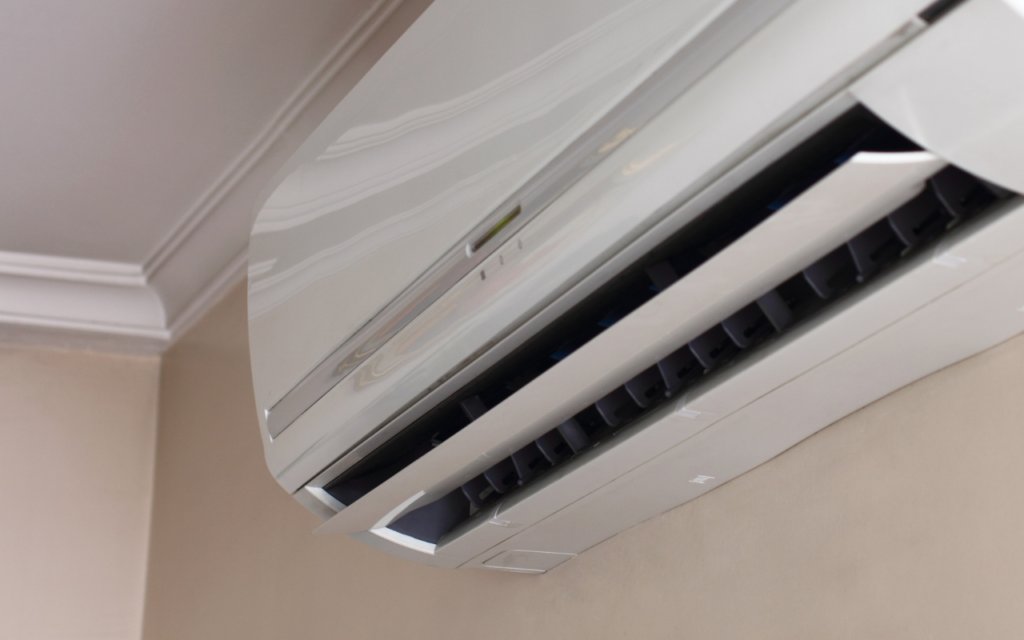
Yes. Ductless mini splits can heat and cool an old house with no ductwork, including plaster and stucco homes. Each outdoor unit connects to one or more indoor units through a small line set, so no ducts or major wall demolition are needed. Most older homes need two or more zones.

A homeowner in Sacramento, CA recently called us about a house built in the late 1940s. It had plaster walls, no ducts, and a single wall furnace in one room. The only cooling came from a couple of window units. They wanted to know if two mini split systems, one at each end of the house, could do the job.

It’s a smart question, and one we hear a lot. At TRC Heating & Air, we work on older Sacramento homes regularly, and ductless systems are often the cleanest fix for houses that were never built for central air.

Why Are Mini Splits a Good Fit for Older Sacramento Homes?

Mini splits skip the ductwork entirely, which protects original plaster and avoids the expensive, messy work of building a duct system from scratch. A conventional split system needs space for supply and return ducts. Many mid-century homes simply don’t have attic, crawlspace, or wall cavities set up for that.

With a ductless system, we run a thin line set through a small opening in the wall. That’s it. Your plaster stays mostly intact, and the install is far less invasive.

  • Heating and cooling from the same equipment, so you can retire the window units

  • Room-by-room temperature control

  • No duct losses, which means less wasted energy

  • A much smaller footprint than a full duct retrofit

Can Two Mini Splits Heat and Cool a Whole House?

Often, yes, but it depends on the home’s size, layout, insulation, and how the rooms connect. A smaller, open layout may do well with two zones. A home with many closed-off bedrooms may need additional indoor units to keep every room comfortable.

Here’s what we look at when we size a ductless setup:

  1. Total square footage and ceiling height

  2. Insulation levels in the attic and walls

  3. Window count, size, and sun exposure

  4. Floor plan and how air can travel between rooms

  5. Where the indoor and outdoor units can be placed

Two outdoor units with multiple indoor heads is one common approach. Another is a single multi-zone system. The right answer comes from walking the property, not guessing from a phone call.

What Should You Know Before Installing Ductless Heating and Cooling in Sacramento, CA?

Plan around your climate, your floor plan, and what you want from the system. Sacramento has hot, dry summers and cool, damp winters, so a heat pump style mini split that handles both seasons well is usually the right tool.

Think about whether you’re replacing the wall furnace

Many owners keep the old wall furnace as a backup at first, then retire it once they trust the new system. Some older wall furnaces also have safety and efficiency concerns, so it’s worth having a technician look at yours.

Get the estimate before you commit

The cost depends on the number of zones, the equipment you choose, and how complicated the install is. We don’t quote numbers sight unseen because every house is different. If you’re buying an older home, an on-site look before closing helps you budget with real information.

Why Does an On-Site Estimate Matter for a Home With No Ducts?

Because the layout of an older home drives every decision, from how many zones you need to where the equipment goes. A technician can check walls, rooflines, exterior space for outdoor units, and your electrical panel in a single visit.

That visit also lets you talk through options. Our experienced technicians can run different scenarios with you, such as two zones versus three, and help you find the best balance between comfort and budget. Our heating and cooling services cover both ducted and ductless options, so we recommend what fits your home, not what’s easiest for us.

Frequently Asked Questions

Will installing a mini split damage my plaster walls?

It shouldn’t cause major damage. The line set passes through a small, carefully placed opening, which is far less invasive than cutting in ducts. Your technician will plan the route to minimize impact on original plaster.

Can a mini split replace an old wall furnace?

In most cases, yes. Heat pump style mini splits provide efficient heating as well as cooling. Whether one unit can fully replace the wall furnace depends on the home’s size and layout.

Should I get an estimate before I buy an older house?

It’s a good idea. Knowing what it will take to add comfortable heating and cooling helps you plan your budget and negotiate with confidence. We’re happy to meet you at the property.

Ready to Cool and Heat Your Older Home in Sacramento, CA?

If you’re buying or living in an older Sacramento, CA home with no ductwork, we’d love to take a look. Contact us to set up an on-site estimate, tell us what you’re picturing, and we’ll walk through the best options for your home. Reach out today and ask about current availability.
expert TIPS

Related Articles

What MERV Rating Should I Use for My Home AC Filter?

Get Started

Should You Trust an HVAC Company That Always Finds Something to Sell During a Maintenance Visit?

Should You Trust an HVAC Company That Always Finds Something to Sell During a Maintenance Visit?

Not necessarily. Some HVAC companies train technicians to find a billable item on every visit, regardless of your system’s actual condition. A trustworthy tune-up should give you an honest picture of your equipment, not a sales pitch. If your system is running well, a good technician will tell you that.

A homeowner recently reached out to us after a maintenance technician came out, spent about ten minutes on the roof, and left with a list of expensive recommendations. The system was cooling the house just fine. Nothing had failed. But suddenly there was talk of new ductwork, UV light replacements, and major cleaning services. It didn’t add up.

At TRC Heating and Air, we hear this kind of story more than we’d like to. Here’s what you should know.

Why Do Some HVAC Companies Always Find Something Wrong?

Because some service models are built around selling, not just servicing. Certain companies send technicians out with an expectation that they return with a signed work order. The maintenance visit becomes a sales call dressed up as a tune-up. That doesn’t mean every recommendation is fake, but it does mean you should ask questions.

A few red flags to watch for:

  • The technician decides what’s wrong before fully inspecting the system
  • You’re told your unit is “basically obsolete” even though it runs fine
  • Recommendations are vague, with no photos or documentation to back them up
  • Pricing feels disconnected from the actual scope of work described
  • The tech spent very little time on-site before presenting a large estimate

What Should an Honest HVAC Tune-Up Actually Include?

A real tune-up is thorough, documented, and focused on the condition of your system, not a sales quota. When our technicians perform a maintenance visit, we go through the full system, take photos, complete a checklist, and email everything to you so you have a record.

A proper tune-up typically covers:

  • Inspecting and rinsing the outdoor unit
  • Checking airflow and system performance
  • Reviewing refrigerant levels and electrical components
  • Assessing ductwork condition where accessible
  • Noting any areas that need attention, with honest context

If deeper cleaning or additional work is actually needed, we’ll tell you why and show you the evidence. If your system looks good, we’ll tell you that too. Learn more about what we cover on our air conditioning service page.

How Can Sacramento Homeowners Protect Themselves?

The best protection is knowing what questions to ask and working with a company that documents everything. Before agreeing to any add-on service during a maintenance visit, ask the technician to show you exactly what they found. Photos, readings, and written notes matter.

A few practical steps:

  1. Ask if the recommendation is urgent or something to monitor over time
  2. Get a second opinion before agreeing to major repairs or replacements
  3. Check whether your system is actually underperforming before accepting a diagnosis
  4. Research parts independently if pricing feels high

If you have a warranty still in effect, use it. Get the most out of it and keep notes on every visit. When you’re ready for a company you can trust long-term, we’re here. You can read more about our team and how we work before you ever pick up the phone.

Frequently Asked Questions

Is it normal for a technician to recommend repairs on every maintenance visit?

Not if your system is in good shape. Maintenance visits should reflect the actual condition of your equipment. Occasional recommendations are normal, but a new list of expensive items every single visit is worth questioning.

Are UV lights and duct replacements ever legitimate recommendations?

Yes, both can be valid in the right situation. UV lights can help control mold growth inside your air handler, and ductwork does wear out over time. The key is whether the technician can show you evidence of the problem and explain why it affects your system’s performance.

What should I do if I think I was oversold on HVAC services?

Start by asking for documentation of what was found and why the work was recommended. If you’re not satisfied with the answers, get a second opinion from an independent local contractor before moving forward.

Get an Honest Second Opinion from a Sacramento HVAC Company You Can Trust

If something doesn’t feel right about what you’ve been told, you deserve a straight answer. We work with Sacramento, CA homeowners who just want an honest assessment of their system, no pressure, no quota-driven recommendations.

Contact us to schedule a visit or ask us a question. We’ll give you the real picture.