Every June, our phones at TRC Heating & Air light up the moment Sacramento crosses that first 100-degree threshold. Homeowners call in a panic: the AC was working fine yesterday, and now the house is climbing past 85 degrees with no relief in sight.
After serving Sacramento, Rancho Cordova, Folsom, El Dorado Hills, Roseville, and the surrounding areas since 1985, we can tell you this isn’t bad luck. It’s physics, heat stress, and a few small parts that have been quietly wearing out for years.
The good news is that almost every one of these breakdowns is preventable, and most are affordable to fix when you catch them early.
Why Does My AC Always Break on the Hottest Day of the Year?
It feels personal, we know. But there’s a real engineering reason it happens.
Your air conditioner is designed to run in cycles, switching on for 15 or 20 minutes, satisfying the thermostat, then resting. On a mild May afternoon in Sacramento, your system might run a total of two or three hours across the entire day.
Then June arrives. Daytime highs jump from the upper 80s into triple digits overnight, and suddenly that same system is being asked to run 10, 12, even 14 hours straight without a real break.
Components that were “good enough” for light spring duty simply cannot survive that kind of marathon. The first 100-degree day isn’t what breaks your AC. It’s what reveals what was already broken.
What Parts Fail First When an Air Conditioner Is Pushed Hard?
In our experience repairing thousands of Sacramento-area HVAC systems, three components account for the overwhelming majority of June and July breakdown calls.
Capacitors
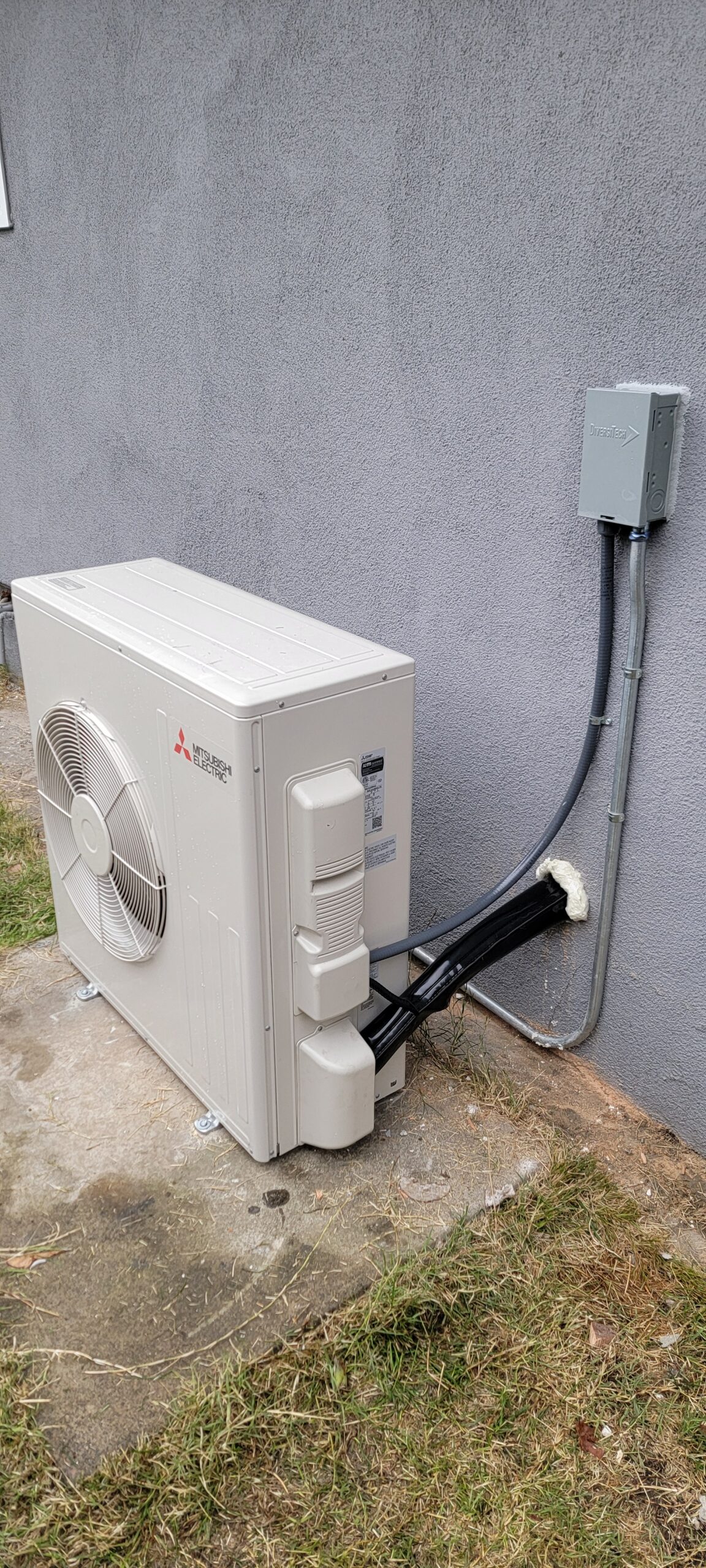
The capacitor is a small cylindrical part inside your outdoor condenser unit that gives the compressor and fan motor the jolt of electricity they need to start.
Capacitors are rated for a specific microfarad output, and that rating slowly drops over time, especially in Sacramento’s brutal summer heat. A capacitor that tested at 45 microfarads when it was new might be limping along at 32 by year five.
On a 78-degree day, that’s enough. On a 104-degree day with the compressor pulling maximum amperage to fight the heat, it isn’t. The compressor fails to start, hums, trips the breaker, or short-cycles.
A failing capacitor is the single most common cause of AC failure on hot days, and it’s also one of the easiest and most affordable repairs we make.
Contactors
The contactor is essentially a heavy-duty electrical switch that tells your outdoor unit to turn on whenever the thermostat calls for cooling. It clicks closed thousands of times per season.
Over the years, the contact points pit, corrode, get covered in dust and spider webs, and eventually weld themselves shut or fail to make solid contact.
When a contactor fails, your outdoor unit either won’t start at all, or worse, it runs nonstop because the switch is stuck closed, burning out the compressor in the process.
Replacing a contactor is straightforward when caught during a tune-up. Replacing a compressor that was destroyed by a stuck contactor is a different conversation entirely.
Fan Motors
The condenser fan motor is the spinning fan you see on top of your outdoor unit. Its only job is to pull air across the condenser coil and dump heat outside.
When that motor weakens or seizes, the refrigerant has no way to release the heat it just absorbed from your house. Pressures spike, the compressor overheats, safety switches trip, and your AC shuts down.
Fan motor bearings dry out from heat exposure, and the windings inside the motor can break down after years of thermal stress. A fan motor that sounds louder than it used to, or one that takes a few seconds longer to start spinning, is sending you a warning.
How Can I Tell My AC Is About to Fail?
There are almost always warning signs before a full breakdown, and learning to recognize them can save you from a 95-degree house and an emergency service call.
Listen for a loud humming or buzzing from the outdoor unit when the system tries to start, especially if the fan isn’t spinning. Watch for the breaker tripping more than once a season.
Pay attention if your AC takes noticeably longer to cool the house than it did last year, or if it short-cycles on and off every few minutes. A musty smell, weak airflow, or warm air from the vents are all symptoms that something is straining behind the scenes.
If you notice any of these, the smart move is to schedule a diagnostic visit before the next heat wave, not during it.
Why Are Sacramento Summers So Hard on Air Conditioners?
Sacramento sits in one of California’s harshest climates for HVAC equipment. We routinely see stretches of 10 or more consecutive days above 100 degrees, with nighttime lows that barely dip below 70.
Add in valley dust, cottonwood seed in the spring, wildfire smoke in late summer, and the fact that most Sacramento outdoor units sit in full afternoon sun, and you have an environment that ages equipment faster than the manufacturer specs assume.
A system rated for a 15-year lifespan in a milder climate might realistically deliver 10 to 12 years here, and that’s only with regular maintenance. Without it, we see units fail at year seven or eight on a regular basis.
What Should I Do If My AC Quits During a Heat Wave?
First, don’t keep trying to restart it. If the breaker has tripped, resetting it more than once can damage the compressor permanently.
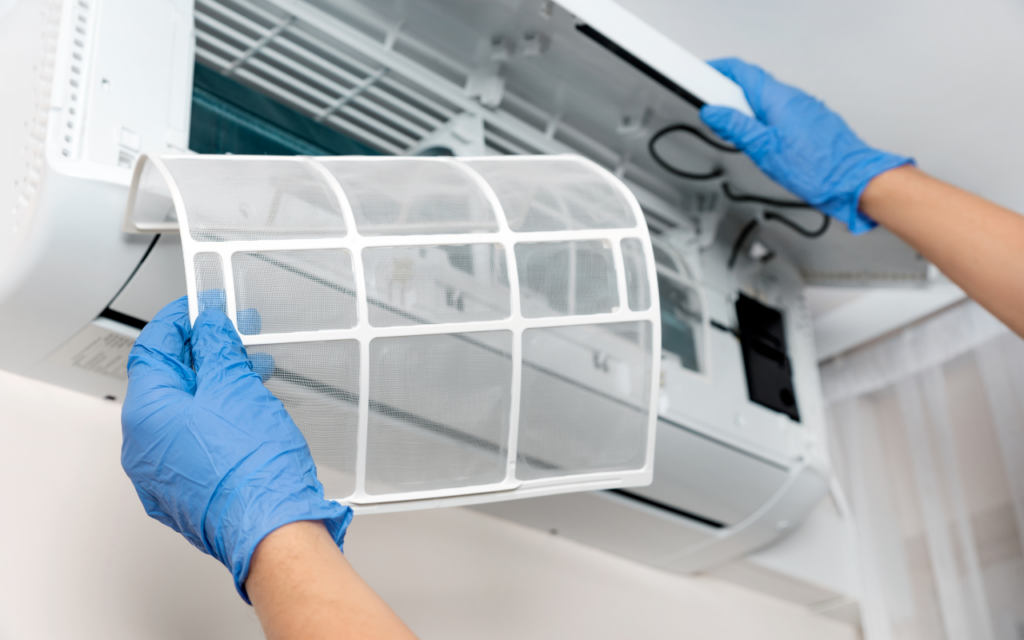
Turn the thermostat to off, give the system 15 to 30 minutes to cool down, and check whether your air filter is clogged. A filter that hasn’t been changed in months can cause the indoor coil to freeze, which mimics a breakdown.
If the filter is clean and the system still won’t cool, that’s your cue to call us at 916-912-9388. We offer same-day service whenever possible during peak season, and our written estimates are honest, with no upsells and financing available on major repairs.
You can also request service online and we’ll get back to you quickly.
Can a Tune-Up Really Prevent a Summer Breakdown?
Yes, and we say that as a company that makes money on emergency calls.
A proper spring tune-up catches weak capacitors before they fail, cleans pitted contactor points, tests fan motor amp draw against factory specs, washes the condenser coil so heat actually escapes the system, and checks refrigerant pressures under load.
The math is simple. A maintenance visit costs a fraction of an emergency repair, and a fraction of that compared to a compressor replacement caused by a part that should have been swapped during routine service.
If your system is more than five years old and hasn’t been inspected this year, you’re rolling dice every time the forecast hits triple digits.
Learn more on our HVAC repair and diagnostics service page and read our related guide on why your AC is running but not cooling the house.
Schedule Your Sacramento AC Repair and Tune-Up With TRC Heating & Air
Don’t wait for the next 100-degree day to find out your air conditioner isn’t ready for it.
We’ve been keeping Sacramento, East Sacramento, Land Park, Natomas, West Sacramento, Rancho Cordova, Folsom, El Dorado Hills, Roseville, and Rocklin homes cool since 1985, and we’d be glad to take a look at yours.
Call TRC Heating & Air at 916-912-9388 or request your inspection online. Same-day service is available whenever possible, and financing is available on qualifying repairs and replacements.