Level 1 vs Level 2 EV Chargers
Homeowners often choose between Level 1 and Level 2 chargers when installing EV charging at home. The difference mainly comes down to charging speed and electrical requirements.
Key differences include:
- Level 1 chargers plug into standard 120V outlets and charge slowly
- Level 2 chargers use 240V power for much faster charging
- Level 1 works for low daily driving needs
- Level 2 is ideal for daily commuting and multi-vehicle homes
Most Sacramento homeowners choose Level 2 charging for convenience and faster overnight charging.
How Fast Home EV Chargers Work
Charging speed depends on the charger type, vehicle compatibility, and your home’s electrical capacity.
Level 2 home chargers can often add 20–40 miles of driving range per hour, allowing many vehicles to fully recharge overnight.
Actual charging times vary based on battery size and charger capacity, but professional installation ensures your system delivers safe, reliable performance for everyday use.
Electrical Requirements for EV Charging
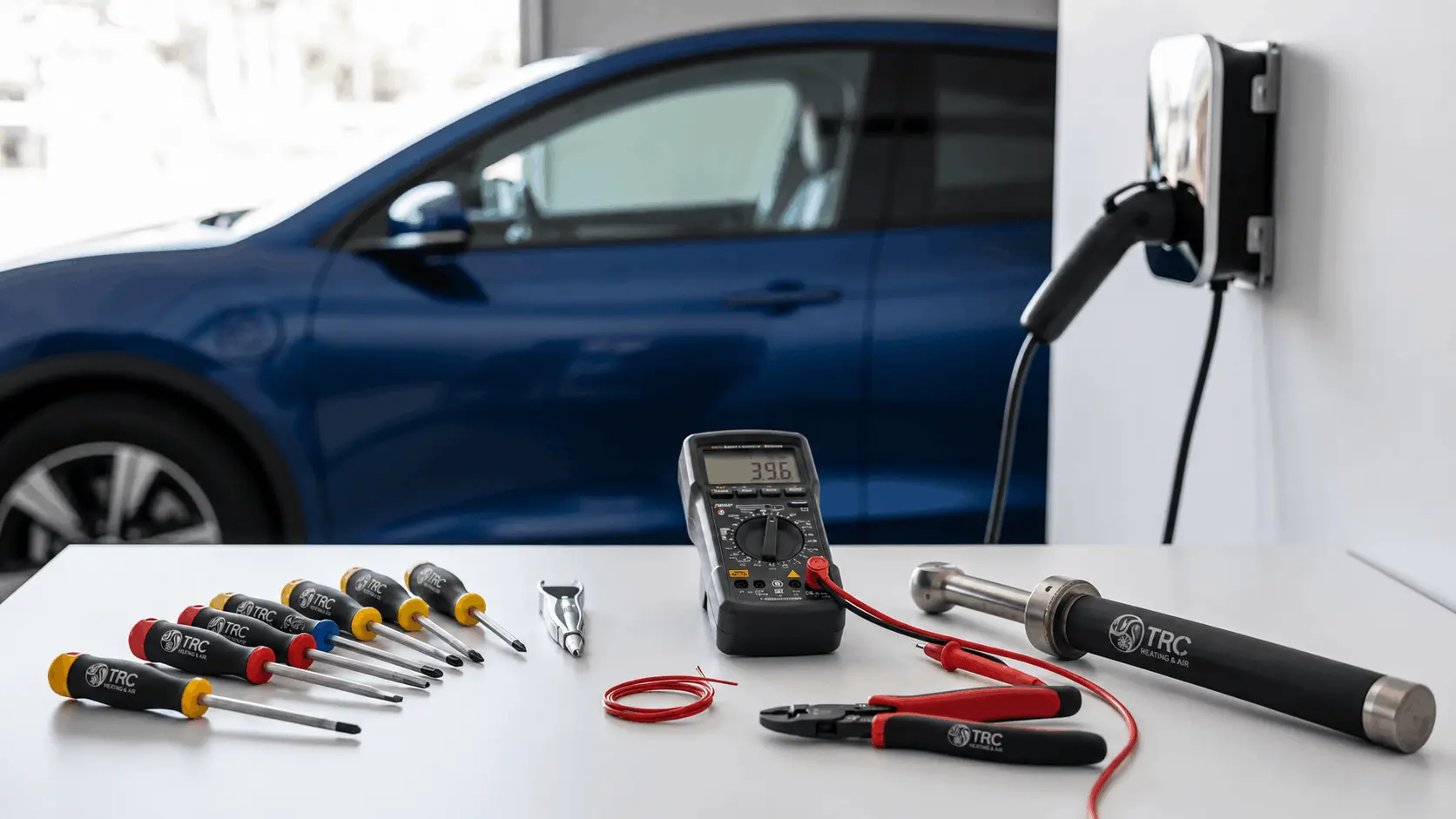
Installing a home EV charger typically requires evaluating your home’s electrical system to ensure safe operation.
Common requirements include:
- Available capacity in your electrical panel
- Dedicated circuit installation
- Proper wiring and breaker sizing
- Correct charger placement for convenience and safety
A professional inspection helps determine whether panel upgrades or electrical adjustments are needed before installation.
Safety Considerations for Garage & Outdoor Installations
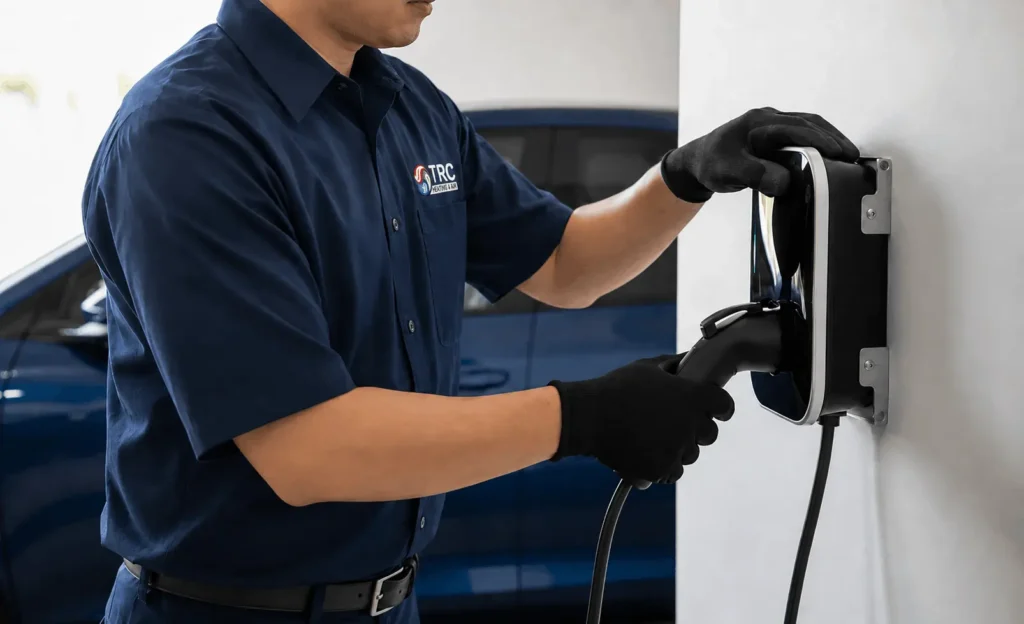
EV chargers must be installed correctly to ensure safe operation, especially in garages or outdoor locations exposed to weather and daily use.
Important safety factors include proper grounding, weather-rated equipment for outdoor setups, safe cable routing, and compliance with electrical codes.
Professional installation helps prevent overheating, electrical overload, and long-term wear issues while keeping charging convenient and safe.
Preparing Your Home for Future EV Ownership
Many homeowners prepare their homes for EV charging even before purchasing an electric vehicle.
Upgrades that support future charging include:
- Electrical panel capacity improvements
- Pre-wiring garages for future chargers
- Installing conduit pathways for easier upgrades later
- Planning charger placement for future vehicles
Preparing early can reduce future installation costs and make EV ownership easier when the time comes.
A professional consultation helps you plan safe, efficient EV charging for both current and future needs.